Key Takeaways
- The breast reconstruction process begins with a detailed consultation to determine the safest and most effective surgical plan for your body and cancer treatment.
- Breast reconstruction surgery options include advanced autologous techniques like DIEP flap surgery and GAP flap reconstruction, as well as implant-based procedures.
- Most flap procedures involve a 3–4 day hospital stay followed by 6–8 weeks of breast reconstruction recovery.
- Preparing physically and emotionally before surgery improves outcomes and confidence during healing.
- The Center for Natural Breast Reconstruction in Mt. Pleasant, SC, specializes exclusively in advanced breast reconstruction surgery options and offers compassionate, expert care. Schedule a consultation to discuss your personalized treatment plan.
Initial Consultation and Planning for Reconstruction
The breast reconstruction process begins long before surgery.
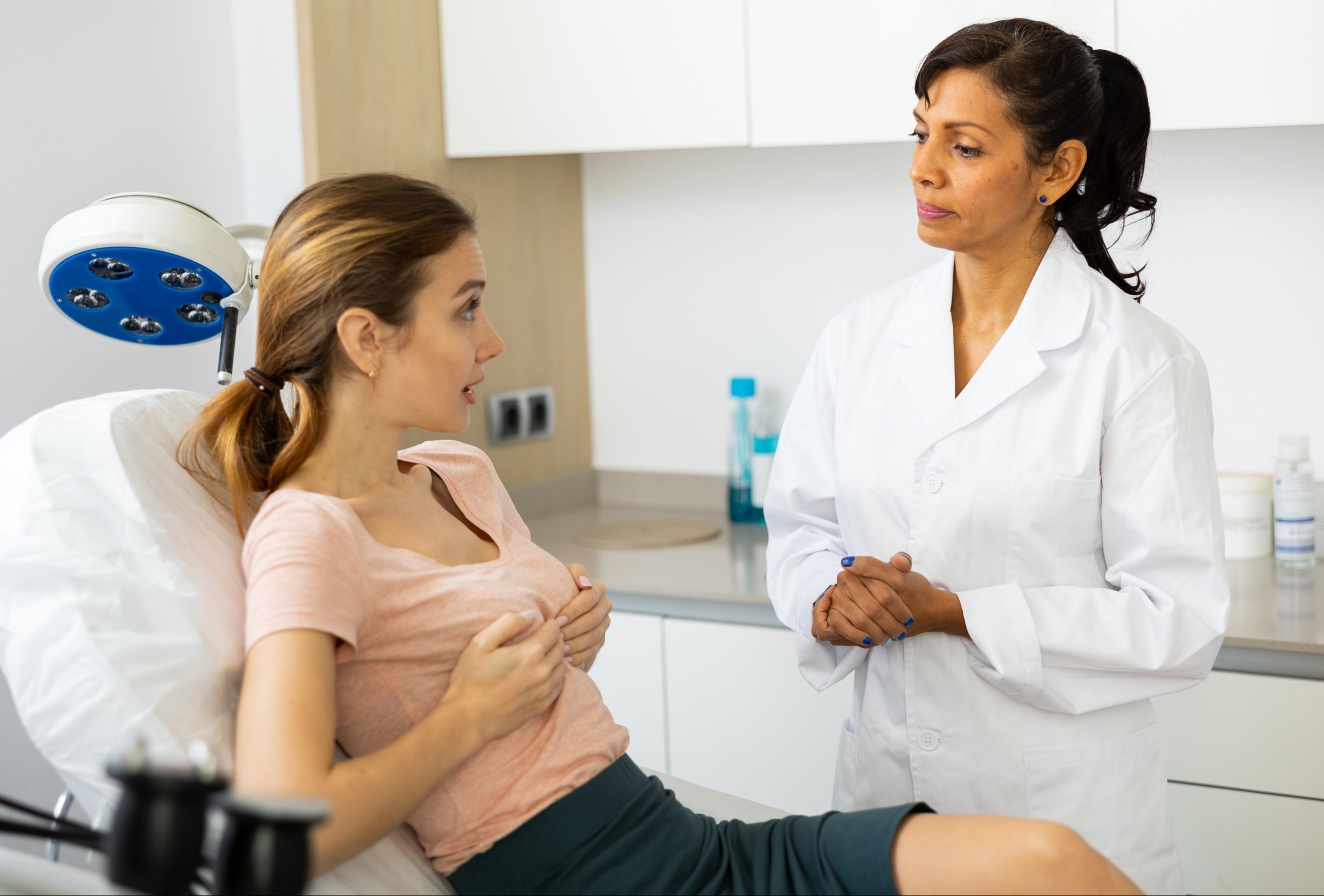
During your consultation at The Center for Natural Breast Reconstruction, your surgeon will evaluate:
- Your cancer treatment history
- Whether reconstruction will be immediate (at the time of mastectomy) or delayed
- Prior surgeries or radiation therapy
- Available donor tissue sites (abdomen, buttocks, thighs)
- Your desired breast size and shape
- Overall health and healing capacity
The practice is dedicated exclusively to reconstruction — not general cosmetic procedures — meaning the surgical team performs complex microsurgical procedures daily. This level of specialization matters when considering intricate flap-based techniques.
For patients traveling from Charleston, Asheville, or out of state, the team coordinates care seamlessly and provides clear guidance before surgery.
Planning may include imaging studies to evaluate blood vessels, especially for flap-based reconstruction. The goal is precision and safety.
The Surgical Procedure and Techniques Used
There are several breast reconstruction surgery options, and your surgical plan depends on anatomy, cancer treatment, and goals.
Autologous (Flap-Based) Breast Reconstruction
Autologous reconstruction uses your own tissue to create a natural breast mound.
DIEP Flap Surgery
DIEP flap surgery (Deep Inferior Epigastric Perforator) uses skin and fat from the lower abdomen while preserving the abdominal muscle.
During the procedure:
- Tissue is removed from the lower abdomen.
- Blood vessels are carefully dissected.
- Microsurgical techniques reconnect vessels in the chest.
- A natural breast mound is shaped.
Because muscle is preserved, DIEP significantly reduces the risk of hernia and abdominal weakness compared to older TRAM flap reconstruction, which removed muscle tissue.
- Typical surgery time: 6–8 hours
- Hospital stay: 3–4 days
- Recovery: 6–8 weeks
Many patients also appreciate the abdominal contouring effect.
GAP Flap Reconstruction
GAP flap reconstruction (Gluteal Artery Perforator) uses skin and fat from the buttocks.
Two types include:
- SGAP (Superior Gluteal Artery Perforator) – upper buttock
- IGAP (Inferior Gluteal Artery Perforator) – lower buttock
GAP reconstruction is often recommended for women who do not have enough abdominal tissue for DIEP flap surgery.
This microsurgical procedure is technically complex due to the anatomy of the gluteal blood vessels and requires a highly experienced surgical team.
- Hospital stay: 3–4 days
- Outpatient recovery: 6–8 weeks
Scars are typically well-concealed by clothing and undergarments.
Implant-Based Reconstruction
Some women qualify for Direct-to-Implant (DTI) reconstruction, where implants are placed during mastectomy.
Learn more about Direct-to-Implant reconstruction here.
DTI may be appropriate if:
- You have a skin-sparing or nipple-sparing mastectomy
- You have not had radiation therapy
- You desire a similar breast size post-surgery
Recovery is often shorter than flap procedures, typically 1–2 weeks before returning to light activity.
Comparison of Major Breast Reconstruction Procedures
| Feature | DIEP Flap Surgery | GAP Flap Reconstruction | TRAM Flap Reconstruction |
|---|---|---|---|
| Tissue Source | Lower abdomen | Buttocks | Lower abdomen |
| Muscle Preserved? | Yes | Yes | No |
| Microsurgery Required | Yes | Yes | Lower third of colon and rectum |
| Hospital Stay | 3–4 days | 3–4 days | 3–5 days |
| Recovery Time | 6–8 weeks | 6–8 weeks | 8+ weeks |
| Risk of Hernia | Low | Low | Higher |
Note: TRAM flap reconstruction removes abdominal muscle, which increases risk of hernia compared to DIEP.
What Happens on Surgery Day?
On the day of your breast reconstruction procedure:
- You are placed under general anesthesia.
- If immediate reconstruction is planned, mastectomy is performed first.
- Reconstruction begins immediately afterward.
- Microsurgical vessel connections are performed (for flap procedures).
- Surgical drains may be placed.
After surgery, patients are monitored closely, especially during the first 24–48 hours for flap-based procedures.
Breast Reconstruction Recovery: What to Expect
Understanding breast reconstruction recovery helps you plan realistically.
Hospital Phase (Days 1–4)
- Monitoring of blood flow
- Pain management
- Assistance walking
- Drain management education
Flap patients typically stay 3–4 nights in the hospital.
Weeks 1–2
- Limited activity
- Light walking encouraged
- Swelling and bruising gradually decrease
- Drains removed during follow-up
Weeks 3–6
- Gradual return to normal daily tasks
- Avoid heavy lifting
- Energy improves steadily
Weeks 6–8+
- Resume most normal activities
- Continued scar healing
- Final shaping continues over months
According to the American Society of Plastic Surgeons, full internal healing from flap reconstruction can continue for several months.
Emotional and Physical Preparation for Surgery
Breast reconstruction is both physical and emotional.
Many women describe it as a turning point in their cancer journey.
Physical preparation may include:
- Stopping nicotine use
- Adjusting medications
- Completing imaging tests
- Arranging support at home
Emotional preparation includes:
- Setting realistic expectations
- Talking openly with your care team
- Planning time off work
- Preparing a comfortable recovery space
The mission at The Center for Natural Breast Reconstruction is to restore more than physical form — it’s about restoring confidence and a sense of self.
How to Choose the Right Surgeon for Your Needs
Choosing a reconstruction surgeon is one of the most important decisions you will make.
Consider:
- Is the practice dedicated to reconstruction?
- How many microsurgical procedures are performed annually?
- Is the surgeon experienced in DIEP and GAP flap surgery?
- Does the practice coordinate out-of-state care?
- Do they accept insurance under the Women’s Health and Cancer Rights Act (WHCRA)?
The Center for Natural Breast Reconstruction near Charleston performs advanced autologous breast reconstruction procedures daily and focuses exclusively on reconstructive surgery.
Meet the surgical team here.
Specialization directly impacts outcomes in complex microsurgical procedures.
Schedule a Personalized Breast Reconstruction Consultation
Understanding what happens during the breast reconstruction process removes uncertainty and helps you make confident decisions. From consultation to surgical planning and breast reconstruction recovery, every stage is structured, safe, and personalized.
The Center for Natural Breast Reconstruction provides advanced DIEP flap surgery, GAP flap reconstruction, and other breast reconstruction surgery options in Mt. Pleasant, SC. Schedule your consultation today to discuss the best breast reconstruction procedure for your needs.
Frequently Asked Questions
How long does a breast reconstruction procedure take?
Flap-based procedures such as DIEP flap surgery or GAP flap reconstruction typically take 6–8 hours. Implant-based procedures are usually shorter.
What is the average breast reconstruction recovery time?
Most patients return to light activity within 2–3 weeks. Full recovery from flap procedures averages 6–8 weeks, though internal healing continues for several months.
Is TRAM flap reconstruction still performed?
TRAM flap reconstruction is an older technique that removes abdominal muscle. Many surgeons now prefer DIEP flap surgery because it preserves muscle and lowers hernia risk.
Does insurance cover breast reconstruction surgery options?
Yes. Under the Women’s Health and Cancer Rights Act (WHCRA), most insurance plans that cover mastectomy must also cover breast reconstruction and related procedures.
Can I travel for breast reconstruction surgery?
Yes. The Center for Natural Breast Reconstruction frequently treats patients from Charleston and out of state and coordinates care to support travel planning.
